Tips for New Drivers: A Driving School's Guide to Building Safe Driving Habits
Learning to drive is kind of an exciting milestone, but it can also feel really overwhelming at first. Every experienced driver was once a complete beginner and honestly, becoming comfortable behind the wheel takes time, patience, and solid practice. Even if passing your driving test is a big goal, building safe driving habits is even more important for your long-term safety, like for the rest of your life.
As a professional driving school, we urge every new driver to lean into confidence by doing proper training and driving with responsibility. Below are a few key ideas, that should help you turn into a safer and more confident driver.
.jpg)
Before driving on busy roads, make sure you're comfortable with your vehicle's controls. Know how to:
Adjust your seat and mirrors
Use the steering wheel correctly
Operate the indicators
Control the accelerator and brake
Turn on headlights and windshield wipers
Understanding your vehicle makes driving much less stressful.
2. Always Wear Your Seatbelt
One of the simplest ways to stay safe is to wear your seatbelt every time you drive. Make sure every passenger is buckled up, before you start your trip or anything like that , because it really matters. Seatbelts can greatly reduce the chance of serious injury if an accident happens.
3. Stay Focused on the Road
Distractions are one of the leading causes of accidents among new drivers.
Avoid:
Using your phone while driving
Eating behind the wheel
Adjusting the radio while moving
Looking away from the road for long periods
Keep both your hands on the wheel and your attention on driving.
4. Follow Speed Limits
Driving faster doesn't help you reach your destination much sooner, but it greatly increases your stopping distance and the severity of accidents.
Drive at a speed that matches:
Posted speed limits
Weather conditions
Traffic flow
Road conditions
Remember, safe driving is more important than arriving quickly.
5. Maintain a Safe Following Distance
Keep some distance between your vehicle and the car right in front of it. You want a safe following distance , because it gives you a bit more time to respond if the traffic suddenly slows down or changes pace. A solid rule of thumb is to keep a three second gap at minimum in normal conditions. And then, extend it further when it’s raining , when visibility gets bad like in fog, or when you’re in heavy traffic, because it’s just harder to stop quickly.
6. Practice Defensive Driving
Defensive driving means expecting the unexpected. Instead of assuming other drivers will always follow the rules, stay alert and prepare for possible hazards.
Good defensive driving habits include:
Checking mirrors frequently
Watching for pedestrians
Looking ahead for traffic changes
Anticipating sudden stops
Avoiding aggressive drivers
These skills are taught in every quality driving school because they help prevent accidents.
7. Practice Parking Regularly
Parking can be one of the most challenging skills for beginners.
Spend time practicing:
Parallel parking
Reverse parking
Angle parking
Parking on hills
The more you practice, the more confident you'll become.
8. Avoid Driving When You're Tired
When you are tired it really slows down your reaction time and it kind of lowers your concentration. If you start to feel sleepy, then it’s often better to postpone the trip a bit, or just take a break before you carry on. Even brief stretches of drowsiness can become dangerous when you are driving.
9. Drive Carefully in Bad Weather
Rain, fog, snow, and strong winds require extra caution.
When driving in poor weather:
Reduce your speed.
Increase following distance.
Turn on your headlights when needed.
Avoid sudden braking or sharp turns.
Stay alert for slippery roads.
Driving smoothly improves control in difficult conditions.
10. Don't Let Nervousness Control You
Feeling nervous is completely normal for new drivers. Confidence develops with experience.
If you feel anxious:
Take a deep breath before driving.
Practice on quiet streets first.
Increase driving difficulty gradually.
Learn from small mistakes without becoming discouraged.
Every trip helps improve your skills.
11. Listen to Your Driving Instructor
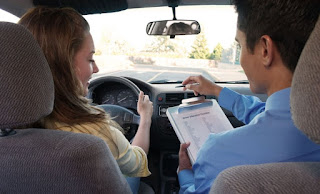
Professional instructors have real experience coaching drivers of every skill range, and their guidance helps you fix small mistakes early on, before they slowly turn into bad habits. If something is unclear, ask questions right away, and then use what they tell you in each lesson, not later or “eventually” .
12. Never Drive Under the Influence
Never drive after consuming alcohol or drugs that affect your ability to concentrate or react.
If you're impaired:
Arrange a designated driver.
Use public transportation.
Call a taxi or rideshare service.
Making responsible decisions protects everyone on the road.
Common Mistakes New Drivers Should Avoid
Many beginners make similar mistakes during their first months of driving.
Try to avoid:
Following other vehicles too closely
Forgetting to check blind spots
Speeding through intersections
Braking suddenly
Failing to signal before turning or changing lanes
Becoming overconfident too quickly
Recognizing these mistakes helps you become a safer driver.
How a Driving School Helps New Drivers
Learning with a professional driving school offers many advantages beyond passing the driving test.
A qualified instructor will teach you:
Defensive driving techniques
Proper vehicle control
Road awareness
Safe decision-making
Parking skills
Highway driving
Emergency response techniques
Professional training helps build confidence while developing safe driving habits that last a lifetime.
Final Thoughts
Every skilled driver starts out as a beginner , and really it’s kind of normal. The trick to becoming a safe, calm driver, is consistent practice, patience, and staying open to learning new things. If you follow these suggestions, and you also take lessons from a trusted driving school , you’ll slowly collect the know-how and know-how again— the kind of experience that helps you manage different traffic situations in a safer way. Also remember, driving is more than a one-time lesson , it’s a lifelong skill. Keep your attention sharp, focus on safety first, and keep learning each time you sit behind the wheel. The routines you build today will support you and everyone else for a long time, years even.


Comments
Post a Comment