Driving Tips for Seniors
Seniors who need to maintain their active social life can achieve this through driving because it provides them with independence and convenience and builds their driving confidence. The ability to drive safely diminishes when people age because their vision and reaction time and mobility skills start to decline. Senior drivers can maintain their driving skills for several more years by implementing effective safety measures.

1. Schedule Regular Health Checkups
Good health is key to safe driving. Regular eye exams and hearing tests help ensure you can clearly see road signs, signals, and other vehicles. If you take medications, ask your doctor if they may cause drowsiness or affect focus while driving.
2. Keep Your Vision Clear
You should always use your required prescription glasses or contact lenses for better vision. You should not drive during nighttime when you experience difficulties with glare and low visibility conditions. You need to maintain your windshield and mirrors and headlights in a clean condition.
3. Stay Physically Active
People can achieve better steering control and faster reaction times through exercises which develop their strength and flexibility. People can achieve noticeable health benefits through activities which include walking and stretching and performing light yoga.
4. Drive During Safe Hours
You should drive between daytime hours and non-peak traffic periods. The main routes that drivers know experience lower traffic levels, which helps them drive with less anxiety while staying safe on the road.
5. Maintain a Safe Following Distance
Drivers should keep a greater distance from the car in front of them. This distance provides you additional time to respond when vehicles suddenly stop or when traffic patterns shift.
6. Avoid Distractions
The driver needs to direct their attention toward the roadway. Drivers must not operate their mobile phones, consume food, or handle vehicle controls while they are behind the wheel.
7. Adjust Your Vehicle for Comfort
Position your seat so you can easily reach pedals and see clearly
Adjust mirrors to reduce blind spots
Consider vehicles with safety features like backup cameras, parking sensors, and lane alerts
8. Be Extra Cautious at Intersections
Intersections can be tricky. Take your time, watch for pedestrians, and be aware of other vehicles making sudden moves.
9. Plan Your Trips Ahead
Know your route before you leave. Use GPS if needed, but set it up before starting your drive to avoid distractions.
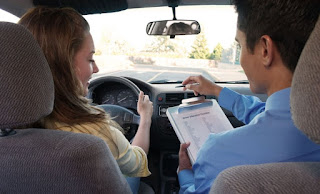
10. Take a Refresher Driving Course
A defensive driving or senior driving course can help update your skills, boost confidence, and teach new safety techniques.
Final Thoughts
The process of aging does not need to end your driving career because you can continue driving by using better driving techniques. Your ability to drive safely will continue as long as you remain aware of your capabilities and keep your health and practice safe driving techniques. People should use their cars when they need to drive but choose alternative transportation methods when they feel uncertain about their ability to drive. Your safety and the safety of all road users must take priority above everything else.


Comments
Post a Comment